Harind: The Script Font for Handmade Brands
As a maker, I know that the difference between a product that sells and one that sits on the shelf often comes down to presentation. We spend hours perfecting our candles, stitching our tote bags, and designing our wedding invitations, but if the typography feels off, the entire piece loses its impact. This is why finding the right typeface is not just a design choice; it is a business decision. Recently, I have been exploring Harind, a ravishing, trendy script font that has quickly become a staple in my digital toolkit. For those of us in the creative community who rely on visual appeal to drive sales, Harind offers the perfect blend of elegance and modern flair.
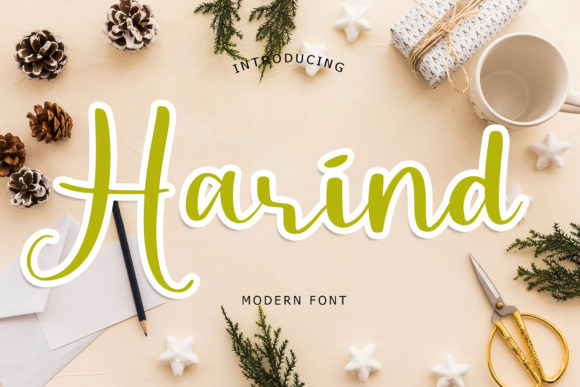
Harind belongs to the Script Amp category, a collection known for its expressive and fluid characteristics. What sets this font apart is its unique touch. Every letter has been crafted with a beautiful, hand-drawn sensibility that avoids the stiffness often found in lower-quality digital fonts. When you look at Harind, you see movement. The strokes flow naturally, mimicking the pressure and release of a real brush pen or calligraphy marker. This authenticity is crucial for handmade sellers because it reinforces the "human touch" that customers are looking for when they buy from small shops rather than big-box retailers.
Elevating Product Packaging and Labels
One of the most practical applications for Harind is in packaging design. Whether you are selling artisanal soaps, small-batch jams, or handmade jewelry, your label is the first point of contact with your customer. A cluttered or generic font can make a product look mass-produced, but Harind adds an instant layer of sophistication. I have used it extensively for candle labels, where the sweeping tails of the letters complement minimalist branding. The font’s readability remains strong even at smaller sizes, provided you give it enough breathing room. For product tags attached to clothing or knitwear, Harind creates a boutique feel that justifies a higher price point.
When using Harind for stickers or small labels, it is important to consider the scale. Because it is a display font with intricate details, it shines best when used for short phrases, brand names, or single words. Trying to squeeze a long paragraph into this script will reduce legibility and lose the charm of the individual letterforms. Instead, use it for the product name or a key feature, such as "Hand Poured" or "Organic," and pair it with a simpler typeface for the ingredients or instructions. This hierarchy ensures that your design remains clean and professional.
Wedding Stationery and Event Decor
The wedding industry is a massive market for printable creators and invitation designers, and Harind is exceptionally well-suited for this niche. Couples today are moving away from stiff, traditional formalities and toward designs that feel personal and romantic. Harind captures this emotion perfectly. I have utilized this font for wedding welcome boards, place cards, and menu designs. Its trendy aesthetic fits seamlessly with both bohemian outdoor weddings and modern industrial venues.
For invitation suites, Harind works beautifully for the names of the couple and the header text. However, for the body text containing dates, times, and venue details, I recommend pairing it with a clean sans serif font. This contrast ensures that guests can easily read the essential information while still enjoying the artistic flair of the script. The same principle applies to birthday invitations and baby shower prints. The font’s playful yet elegant nature makes it versatile enough for various celebratory occasions without feeling too childish or too severe.
Digital Printables and Wall Art
If you create digital downloads for platforms like Etsy, Harind is a valuable asset for printable wall art and planner pages. Quotes and affirmations are perennial bestsellers, and Harind turns simple text into decorative art. The unique swashes and ligatures available in the font allow for creative customization. You can connect certain letters to create a seamless flow, making the design look like custom hand-lettering. This level of detail adds perceived value to your digital products, encouraging customers to choose your design over free alternatives.
When creating SVG-style designs for cutting machines like Cricut or Silhouette, Harind performs reliably. The paths are clean, which means less weeding and fewer cut errors. This is particularly important for vinyl decals and iron-on transfers for shirts and tote bags. However, always test cut a small sample first. Intricate scripts can sometimes have thin connections that may break if the vinyl is low quality or if the blade is dull. Adjusting the size slightly larger can often solve these issues, ensuring a crisp final product.
Building a Cohesive Brand Identity
Consistency is key to building a recognizable brand. Using Harind across your social media graphics, website headers, and physical packaging creates a cohesive visual identity. When customers see the same distinctive script on your Instagram posts and their delivered package, it builds trust and recognition. This font helps establish a brand personality that is approachable, stylish, and attentive to detail. It signals to your audience that you care about aesthetics, which often translates to a perception of higher quality in your physical goods.
Before purchasing, always check the specific file formats included with Harind. Most premium fonts come in OTF and TTF formats, which are standard for design software like Adobe Illustrator, Photoshop, and Canva. If you plan to use the font for web design, ensure you have the appropriate web font licenses. Additionally, review the character map for alternates and multilingual support. Having access to different stylistic sets allows you to vary your designs without needing multiple fonts, keeping your brand toolkit streamlined.
Licensing and Commercial Use
As small business owners, we must be diligent about licensing. Using a font for personal projects is different from using it to create products for sale. Harind is designed with commercial use in mind, but it is essential to read the license agreement thoroughly. Typically, a standard commercial license allows you to use the font in logos, product labels, and printed materials that you sell. However, if you are creating templates for other designers to edit, or if you are embedding the font in a digital app, you may need an extended license. Protecting your business from legal issues is just as important as protecting your creative integrity.
In conclusion, Harind is more than just a pretty typeface; it is a functional tool for modern makers. Its ability to enhance product presentation, improve brand consistency, and add emotional appeal to designs makes it a worthy investment for anyone in the handmade space. Whether you are designing a farmhouse sign, a luxury perfume label, or a set of bridal invitations, Harind provides the artistic touch needed to make your work stand out. By understanding its strengths and pairing it wisely with complementary fonts, you can elevate your craft and connect more deeply with your customers.