Malica Zen: A Handwritten Font for Warm Branding
Last Tuesday, I sat at my kitchen table with a stack of unbranded kraft paper boxes and a lingering sense of frustration. My small candle business had grown steadily over the past year, but my visual identity felt stuck in the past. The labels were functional, yes, but they lacked soul. They didn’t tell the story of the calm, cozy moments my customers experienced when they lit a wick. I needed a change, but I didn’t have the budget for a full agency rebrand. I needed a tool that could bridge the gap between professional polish and handmade charm. That is when I discovered Malica Zen.
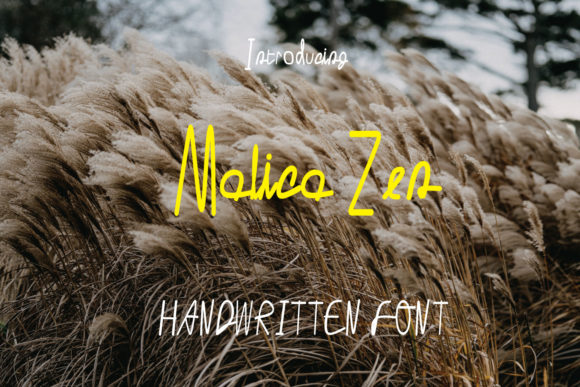
As a creative consultant who helps small businesses refine their image, I am often skeptical of trendy typefaces. Many look great in a preview image but fail miserably when applied to real-world materials like product labels or social media graphics. However, Malica Zen, a sweet and friendly handwritten font from Script Amp, surprised me. It is not just a decorative element; it is a versatile design asset that can transform how a brand communicates warmth and authenticity.
Why Personality Matters in Typography
In the world of modern typography, we often obsess over cleanliness and minimalism. While sans serif fonts are excellent for readability, they can sometimes feel cold or corporate. For businesses built on personal connection—like bakeries, boutiques, coaching services, or handmade goods—this coldness can create a barrier. Customers want to feel like they are buying from a person, not a factory.
This is where a high-quality script font or handwritten font becomes essential. Malica Zen offers a natural and unique style that feels organic rather than manufactured. The strokes vary in thickness, mimicking the pressure of a real pen or brush. This imperfection is its strength. When I applied Malica Zen to my candle labels, the text didn’t just sit on the paper; it felt like it belonged there. It conveyed a mood of relaxation and care, perfectly aligning with the product’s purpose. For any brand builder, understanding that typography affects first impressions is crucial. A friendly typeface invites the customer in, making the brand feel approachable and trustworthy.
Practical Applications for Small Business Owners
The true test of any premium font is its versatility. Can it work on a tiny sticker? Does it hold up on a large website banner? During my review of Malica Zen, I tested it across various touchpoints to see how it performed in a real business context.
- Packaging Design: This is where Malica Zen shines brightest. On my candle jars, I used it for the scent names, such as "Lavender Dream" or "Citrus Morning." The font’s playful yet elegant curves made the products feel special and gift-worthy. It works equally well for bakery boxes, skincare labels, or boutique clothing tags.
- Social Media Graphics: Consistency is key to building a recognizable brand identity. I created a set of Instagram templates using Malica Zen for headlines and quotes. Because the font is distinct, it helped my feed look cohesive. Whether used for promotional posts, behind-the-scenes stories, or customer testimonials, it added a layer of personality that standard system fonts simply cannot match.
- Thank-You Cards and Inserts: One of the most powerful tools for customer retention is the handwritten note. While writing hundreds of notes by hand is time-consuming, using a realistic handwritten font like Malica Zen on printed thank-you cards can create a similar emotional connection. It feels personal, appreciative, and warm.
- Website Banners and Headers: For online shops, the homepage banner is the digital storefront. Using Malica Zen for short, impactful phrases like "Welcome Home" or "Handmade with Love" creates an immediate emotional hook. It breaks up the rigidity of web design and adds a human touch.
Readability and Design Best Practices
While Malica Zen is incredibly charming, it is important to use it wisely. As a display font, it is best suited for headlines, short phrases, logos, and decorative accents. It is not designed for long paragraphs of body text. Trying to read a full page of information in a script font can strain the eyes, especially on mobile screens.
To ensure your designs remain professional and readable, consider these tips:
- Keep it Short: Use Malica Zen for titles, names, or single sentences. Let it be the star of the show, not the supporting actor.
- Mind the Size: On small product labels, ensure the font size is large enough to be legible. Intricate details in handwritten fonts can disappear if scaled down too much. Test print your labels before running a full production batch.
- Contrast is Key: Ensure there is sufficient contrast between the text color and the background. Malica Zen looks stunning in dark charcoal on cream paper or white on deep green, but it may get lost on busy patterns.
Creating Harmony with Font Pairing
A common mistake non-designers make is using too many decorative fonts together. To keep your brand identity clean and consistent, pair Malica Zen with a simple, neutral typeface. A clean sans serif font is usually the best choice. The simplicity of the sans serif balances the flourishes of the handwritten script, creating a modern typography look that is both stylish and easy to read.
For a more traditional or elegant feel, you might experiment with pairing it with a classic serif font. This combination works beautifully for editorial design, such as magazine layouts or sophisticated product catalogs. The key is to let Malica Zen handle the emotional heavy lifting while the secondary font handles the informational load. This hierarchy guides the viewer’s eye and ensures that your message is received clearly.
Technical Considerations for Commercial Use
Before integrating any new creative font into your business assets, it is vital to check the technical specifications and licensing. Malica Zen comes as a commercial font, which means you can use it for client work, product packaging, merchandise, and digital downloads. However, always verify the specific license terms provided by Script Amp to ensure compliance.
Look for included styles, such as alternates or ligatures, which can add variety to your designs. These features allow you to customize the look of certain letters, preventing repetition and making your logo design or packaging feel more bespoke. Additionally, check for multilingual support if you plan to expand your market internationally. Having the right file formats, such as OTF or TTF, ensures compatibility with most design software, from Adobe Illustrator to Canva.
Ultimately, upgrading your typography is one of the most cost-effective ways to elevate your brand. Malica Zen offers a blend of professionalism and personality that is rare to find. It helps small businesses look polished without losing their human touch. Whether you are refreshing a café menu, designing new product labels, or updating your online shop banner, this font provides the visual consistency needed to build a memorable and trustworthy brand. It is not just about making things look pretty; it is about communicating value, care, and identity through every letter.